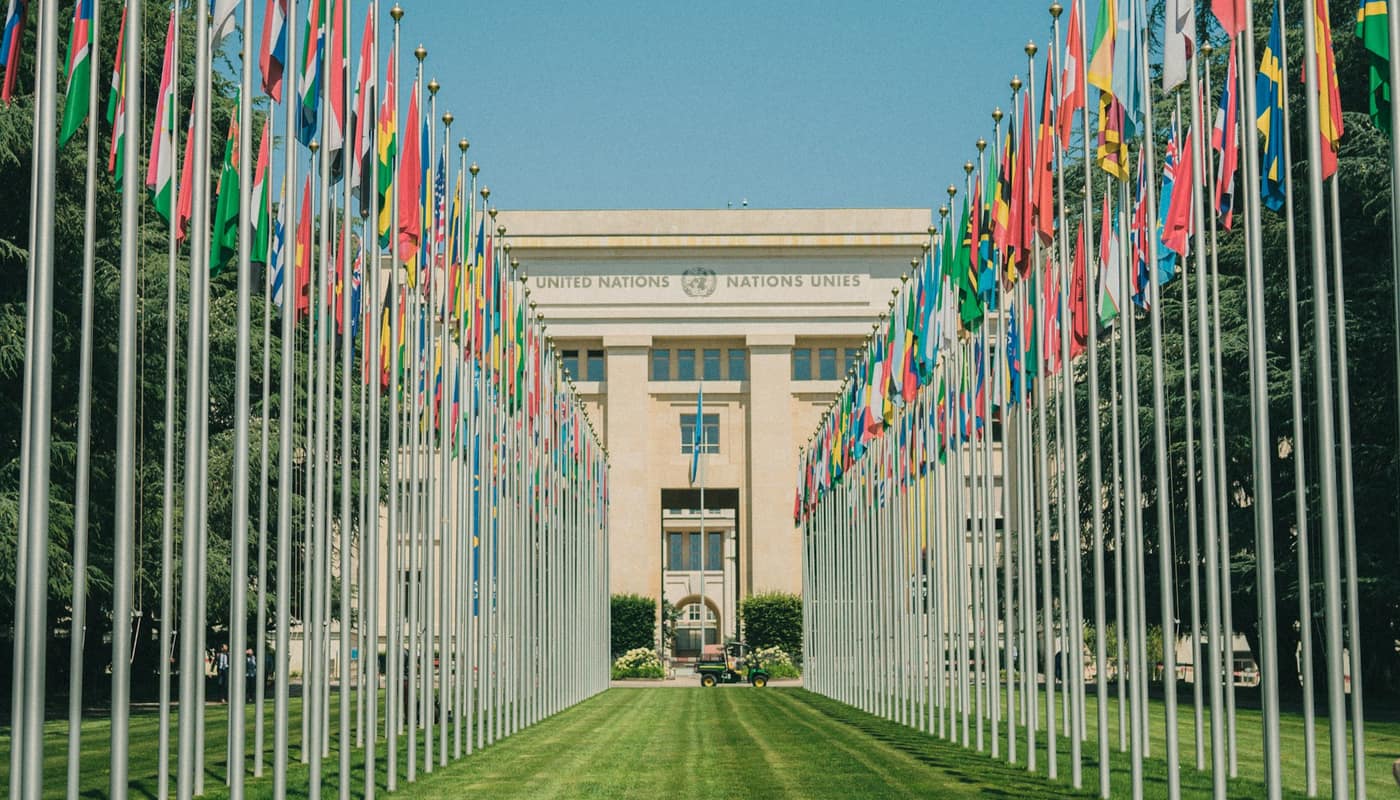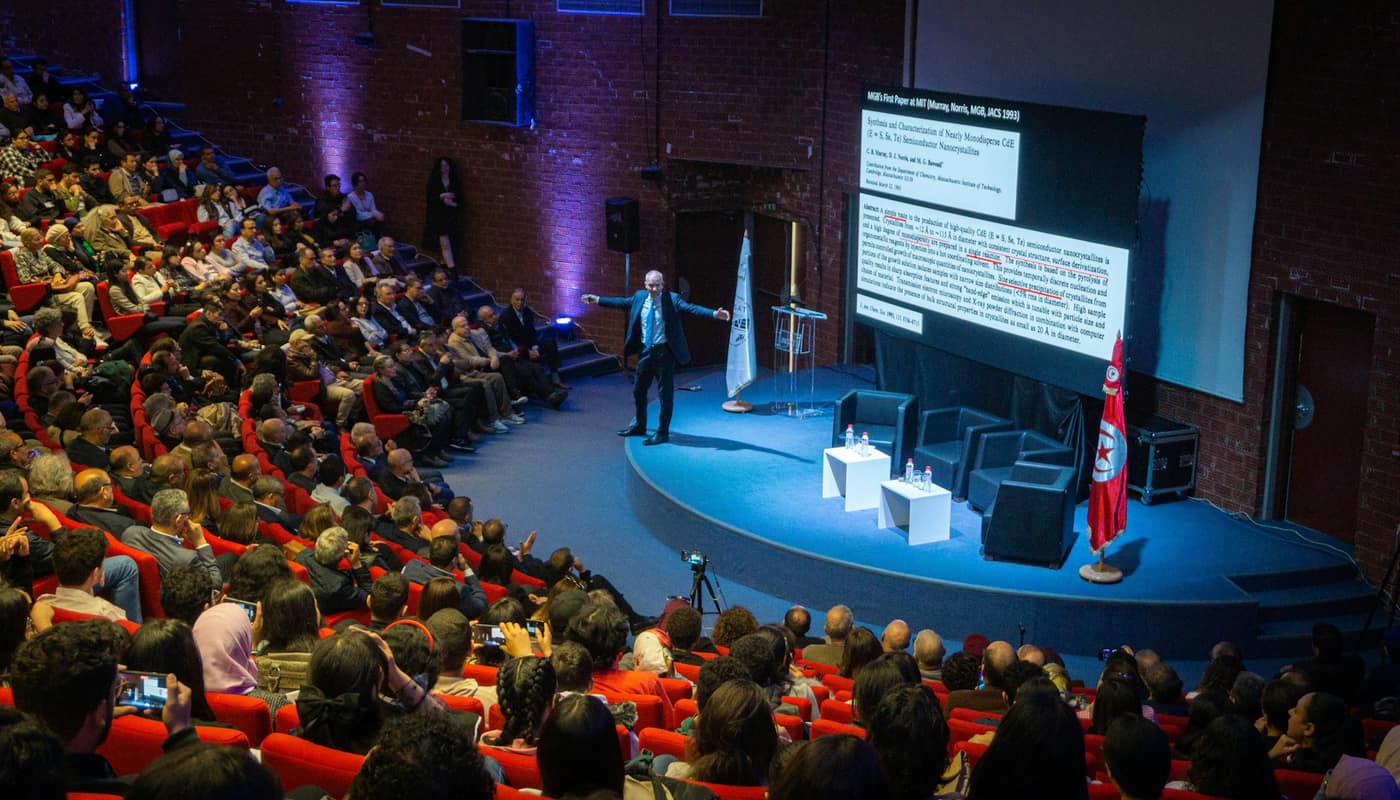
Every year, delegations from almost every country meet to negotiate how the world should respond to climate change. The meeting is known as the Conference of the Parties, or COP, and the one in 2023 took place in the Gulf, in Dubai. Understanding how these conferences work, and what the Dubai outcome said, helps readers interpret headlines that often make the process look more dramatic and more final than it is.
What is a COP?
COP stands for Conference of the Parties, the supreme decision-making body of the United Nations Framework Convention on Climate Change, the treaty on which the process is based. The “parties” are the countries that have joined the treaty. They meet annually, usually for about two weeks, in a different host country each year, with hosting rotating among regional groups.
A COP is both a negotiating session and a large gathering. Alongside the formal talks, thousands of people from governments, businesses, cities, scientists, indigenous groups and civil society attend side events and make announcements. The formal outcome, however, is the set of decisions adopted by the parties.
How are decisions made?
Decisions are adopted by consensus, which in UN practice means that no party formally objects. This gives every country a veto in principle, and it explains why texts are often carefully worded and why final agreements can take until late at night, or beyond the scheduled end, to complete. Negotiators work through draft texts line by line, with options in brackets that are removed as agreement is reached. The presidency of the conference, held by the host country, chairs the process and tries to broker compromises.
Because the decisions are political agreements among governments, they differ in legal force. Some, such as the treaty and the Paris Agreement, create obligations. Many COP decisions set direction, request reports or establish processes and do not impose specific duties on particular countries.
What was COP28?
According to the UN climate secretariat, COP28 took place in Dubai at Expo City from 30 November to 13 December 2023, and it reported about 85,000 participants, including more than 150 heads of state and government. The conference was hosted by the United Arab Emirates, a major oil and gas producer, which drew attention to the role of fossil fuels in the outcome.
The central task was the first Global Stocktake, a process set up by the Paris Agreement to assess collective progress towards its goals every five years. The stocktake’s conclusions are intended to inform the next round of national climate plans.
What did the Dubai outcome say?
The decision on the stocktake, which the UNFCCC calls the UAE Consensus, included several points according to the secretariat.
- Emissions. It recognised the science that indicates that global greenhouse gas emissions need to be cut by 43 percent by 2030, compared with 2019 levels, to limit warming to 1.5 degrees Celsius, and it noted that parties were off track on meeting their Paris goals.
- Fossil fuels. It called for transitioning away from fossil fuels in energy systems, in a just, orderly and equitable manner. News agencies and the UN described it as the first time a UN climate conference text addressed fossil fuels in this way, but it stopped short of calling for a full phase-out, a point that some countries and groups criticised as insufficient.
- Renewables and efficiency. It called for tripling renewable energy capacity and doubling the annual rate of energy efficiency improvements by 2030.
- Loss and damage. On the first day, parties adopted the decision to operationalise a fund for loss and damage, to help vulnerable countries cope with climate impacts, and pledges passed 700 million US dollars.
- Finance. The stocktake judged that climate finance flows were far short of what is needed.
How was it received?
Reactions varied. Supporters noted the first explicit reference to fossil fuels and the targets on renewables and efficiency. Critics, including small island states and civil society groups, said that the language was too weak and contained loopholes. Observers also noted that the text is not binding on individual countries and that implementation depends on national plans and investment. These are all assessments by participants, and readers should treat them as such.
Who takes part, and what do the negotiating blocs do?
Delegations are organised in negotiating groups that share interests. The Group of 77 and China represents most developing countries, while smaller blocs include the alliance of small island states, the least developed countries, the African Group and the Arab Group, as well as the European Union and other groupings of wealthy countries. Blocs allow smaller delegations to pool expertise and to speak with one voice, and they also reflect real differences of interest: for example, between countries that export fossil fuels and those that are most vulnerable to climate impacts.
Observer organisations, including scientists, businesses, cities and non-governmental groups, attend and can speak in some sessions, although only governments decide. Scientific input comes through reports of the Intergovernmental Panel on Climate Change, which the negotiators use as a reference.
What is the Paris Agreement’s role?
The Paris Agreement, adopted in 2015, sets the overall goals: to hold the increase in global average temperature well below 2 degrees Celsius above pre-industrial levels and to pursue efforts to limit it to 1.5 degrees. Each country sets its own national contribution, and the agreement uses a cycle in which countries update their plans and the world takes stock of collective progress every five years. The Dubai stocktake was the first of those reviews, which is why its conclusions drew such attention.
What happens after a COP?
The decisions feed into the next steps in the process. Countries are expected to submit updated national climate plans, known as nationally determined contributions, based on the stocktake. The second global stocktake begins in November 2026 and concludes in 2028, according to the UNFCCC. Technical bodies continue to work on topics such as carbon markets, adaptation and finance between conferences, and the next COP builds on the previous one.
How does this connect to the Gulf?
Gulf countries are among the world’s largest oil and gas producers, and they are also investing heavily in renewable energy and related technologies. Examples of these investments are described in how large solar farms work in the Gulf. The relationship between climate policy and the economics of oil, including the strategies of producer groups, is covered in how OPEC and OPEC+ decide oil output. And national plans such as the one described in how Saudi Vision 2030 is organised show how producers are positioning their economies for a period of changing demand.
How should readers interpret climate summit news?
Several tips help. First, distinguish between pledges made by countries or companies outside the formal negotiation and decisions adopted by the parties. Second, check whether a text creates an obligation or sets a goal. Third, look at the date and the language, since small changes in verbs such as “calls for”, “decides” or “notes” carry meaning. Fourth, follow what happens in national policy afterwards, because that is where emissions are actually determined. The UNFCCC website publishes the decisions and summaries, and independent analysts publish assessments of whether commitments add up.
Sources: United Nations Framework Convention on Climate Change; United Nations