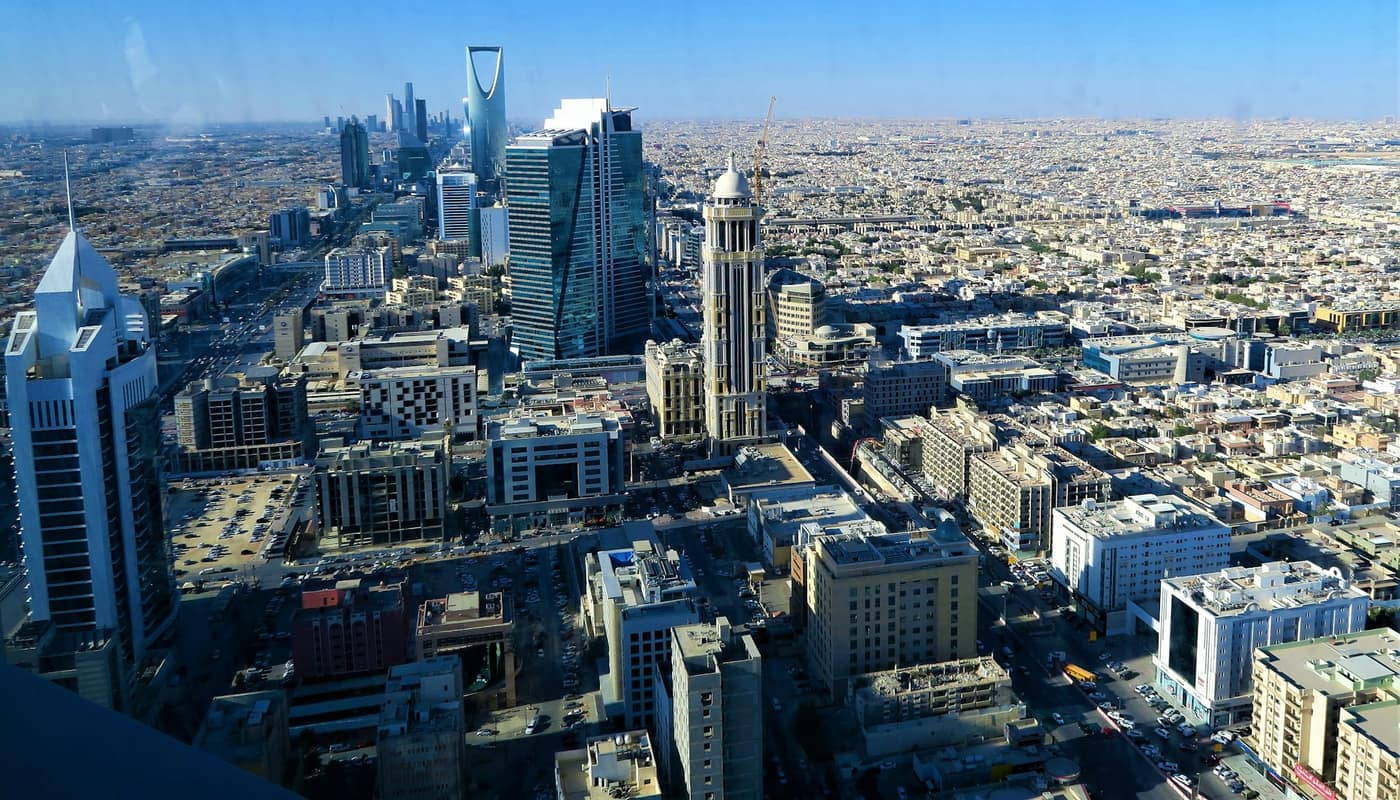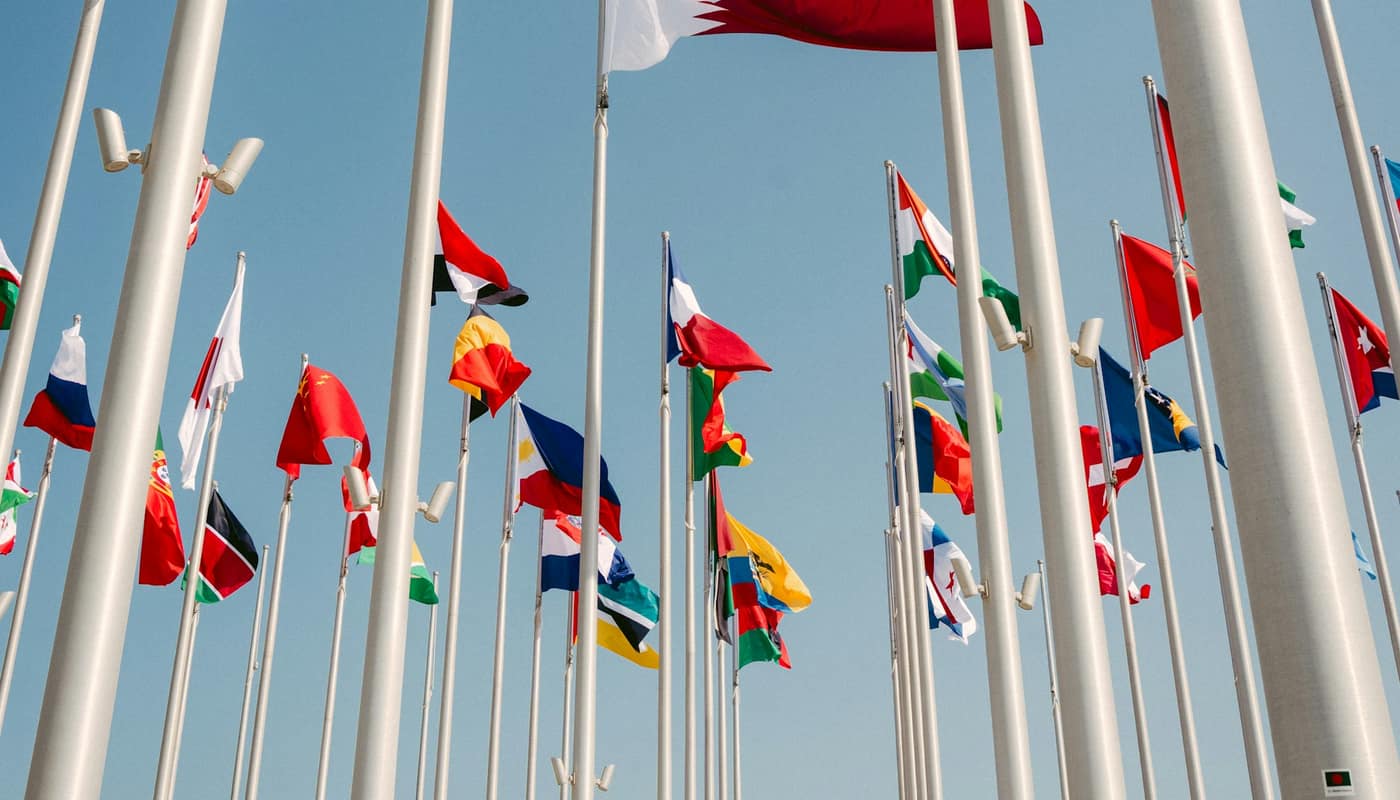
The Gulf Cooperation Council, usually shortened to the GCC, is a regional organisation of six Arab states on the Arabian Gulf: Bahrain, Kuwait, Oman, Qatar, Saudi Arabia and the United Arab Emirates. It is often described as a trade bloc, a security partnership or a political club. In reality it is a framework for cooperation among sovereign governments, and its powers depend on what those governments agree to give it.
How did the GCC begin?
The Council was established on 25 May 1981 in Abu Dhabi by the six states named above. Accounts differ on when the charter was first agreed, with some placing heads-of-state discussions earlier that year in Riyadh, but the formal founding is dated to the Abu Dhabi meeting. An economic agreement among the members was signed in Abu Dhabi later in 1981, on 11 November.
The founding came at a time of regional uncertainty. The six states shared geography, a similar political system based on ruling families, comparable economies built on oil and gas, and close cultural ties. They also faced security concerns on their borders. A formal organisation gave them a way to coordinate policy without merging their governments.
How is the Council organised?
The GCC has three main bodies, which the organisation itself describes in its founding documents.
- The Supreme Council is the highest authority. It brings together the heads of state, and it sets the broad direction of the organisation.
- The Ministerial Council is made up of foreign ministers or other designated ministers. It prepares policy for the Supreme Council and follows up on its decisions, and it meets on a regular schedule through the year.
- The Secretariat-General is the administrative arm. It is headquartered in Riyadh and is led by a Secretary-General, who is a senior figure appointed by the member states.
Below these bodies sit committees on topics such as trade, customs, transport, health and the environment. Sector-specific agencies, including a statistical centre, support their work.
What has it done on the economy?
The GCC’s economic agenda has been central since the 1981 agreement. Its members have worked towards common rules on trade and movement of goods, shared customs arrangements and the free movement of citizens for work and investment. The organisation has described these steps as stages towards a customs union, a common market and a monetary union. Progress has been uneven, and the details of each stage have been negotiated country by country, so a reader should check the Secretariat-General for the current status of any specific measure.
One concrete example is value added tax. The members agreed a common framework for introducing it, but each state decided its own timing and rate. Some have introduced it and others have not, as explained in how VAT works across the Gulf. That pattern, a shared framework with national choices about implementation, is typical of how the Council operates.
Another example is currency. Five of the six members peg their currencies to the US dollar, and Kuwait uses a basket. A planned single currency has not been introduced. The background is covered in why Gulf currencies are pegged to the US dollar.
What are the limits of the GCC?
The Council is not a supranational government. Decisions generally require agreement among the members, and a member that does not want to take part in a measure can usually decline. This is different from the European Union, where some laws bind members without their consent. For that reason, the GCC’s decisions are as strong as the political will behind them.
The members also differ in size, population, wealth and foreign policy. Saudi Arabia is far larger than any other member, while Qatar, Bahrain and Kuwait are small states with distinct priorities. Disagreements have occurred, and the organisation has had to manage them through negotiation. Observers also note that overlapping national plans for tourism, logistics and finance can create competition between members, which is a theme in how Gulf economies are diversifying beyond oil.
How does the GCC handle security and foreign policy?
Security cooperation was part of the Council’s motivation from the start, and the members have set up joint military structures and consultation mechanisms over the years. These arrangements have operated with varying intensity, and their reach has depended on the political situation at the time. As with economic measures, what the Council can do on defence and diplomacy depends on the members’ willingness to act together.
In foreign policy, the Council issues joint statements and sometimes presents common positions in international forums. Members also keep their own bilateral relationships, including with major powers, and these do not always align. Analysts therefore distinguish between a GCC position, which requires consensus, and the position of an individual member, which may differ. The most reliable way to tell is to read who signed the statement.
What happens when members disagree?
Disagreements are managed through negotiation, mediation by other members and, in some cases, informal contacts between rulers. The Council has no court that can compel a member to change course, so resolution depends on diplomacy. The organisation has continued to meet through periods of tension, and its institutions, such as the Secretariat-General in Riyadh, have continued to operate.
For readers, the lesson is that the GCC is better described as a forum for coordination than as a government. It can produce frameworks and common standards, but each state decides how far to implement them.
Why does the GCC matter to readers outside the region?
The six members together are major producers and exporters of oil and natural gas, hold large sovereign investment funds, and host major ports, airports and financial centres. When the Council coordinates, as it did on common positions in international talks, it can speak for a bloc with significant weight in energy markets and in global finance. When it does not, individual members act separately, and analysts have to follow each capital.
Anyone following the region should therefore ask two questions about any announcement: is it a decision of the Council, which would require agreement among all six, or a national decision by one government? The answer determines what happens next.
How does the GCC deal with labour and mobility?
The Council’s agreements include provisions that let citizens of one member work, invest and own property in another on similar terms to local citizens, within limits set by national law. This applies to nationals, not to the large foreign workforce, whose rights depend on each country’s labour and residency rules. The difference matters because most private-sector workers in the Gulf are not citizens of the country where they work, and their status is governed by national systems rather than by the Council.
How can readers follow its work?
The Secretariat-General publishes summaries of Supreme Council and Ministerial Council meetings, and the Gulf’s statistical centre publishes comparative data. For economic measures, national ministries and central banks give the specific rules in each country. Newspapers often report GCC summits with strong language about unity, so it is worth reading the final communiqué itself to see what was actually decided.
Sources: Gulf Cooperation Council Secretariat-General; Middle East Institute