In north-western Saudi Arabia, a valley of golden sandstone cliffs and date-palm oases holds the remains of several ancient civilisations. The best known is Hegra, a Nabataean city whose rock-cut tombs are among the most striking monuments of the Arabian Peninsula. In 2008 it became the first site in Saudi Arabia to be inscribed on UNESCO’s World Heritage List.
What is Hegra?
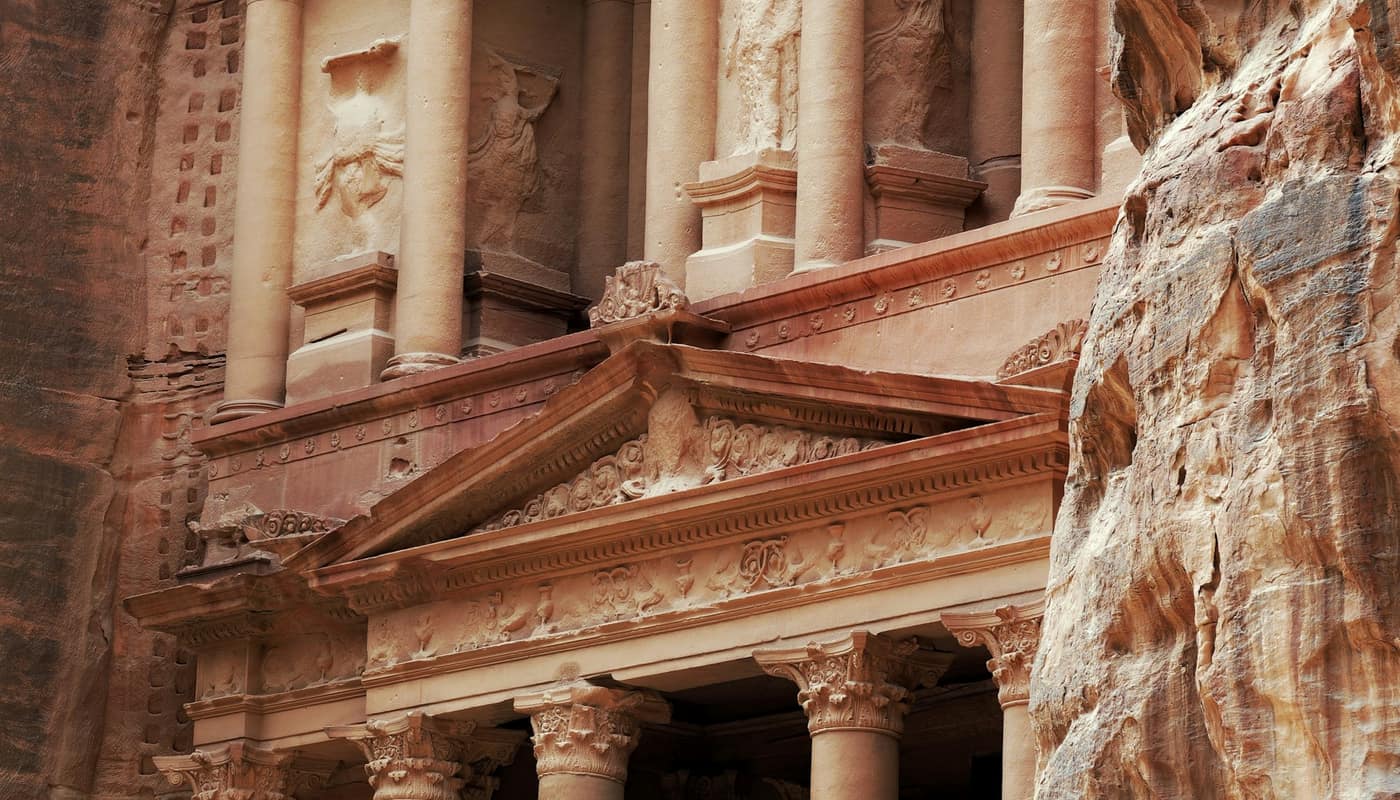
Hegra, also known as Al-Hijr and Mada’in Salih, is an archaeological site in the AlUla region. UNESCO describes it as the largest conserved site of the civilisation of the Nabataeans south of Petra in Jordan. The site includes monumental tombs with decorated facades, a settlement area and a series of inscriptions and rock drawings.
According to UNESCO’s records, the inscription was approved in 2008 at the World Heritage Committee’s session in Quebec City, and the organisation identifies Hegra as the first World Heritage property inscribed in Saudi Arabia. The inscription rests on criterion (iii), that the site bears unique testimony to a civilisation, in this case the Nabataean.
Who were the Nabataeans?
The Nabataeans were an Arab people who built a trading kingdom in the deserts of what is now Jordan, southern Syria, Israel and north-western Arabia. They became wealthy by controlling and taxing caravan routes that carried incense and spices from southern Arabia towards the Mediterranean, and they developed sophisticated water-management methods that allowed settlement in dry land. Their best-known city is Petra, which is explored in Petra: what to know before you visit.
Hegra was a southern outpost of the kingdom, a place on the routes between the incense lands and the north. It flourished at around the turn of the era, and it later came under Roman control, as the Nabataean kingdom was absorbed into the empire.
What survives at the site?
UNESCO’s documentation records that the site features well-preserved monumental tombs with decorated facades dating from the first century BC to the first century AD. The nomination file counts 111 such tombs, and a Saudi tourism page cites more than 110. Most are carved directly into outcrops of sandstone, and many carry inscriptions in the Nabataean script, naming the owners and warning against reuse of the tomb.
The site also contains about 50 inscriptions of the pre-Nabataean period and some cave drawings. Unlike Petra, UNESCO notes, the tombs at Hegra were not reused at other times in their history, which is part of what makes them a clear record of Nabataean funerary practice. Wells, remains of a walled settlement and a small sanctuary round out the picture.
What else is in the AlUla area?
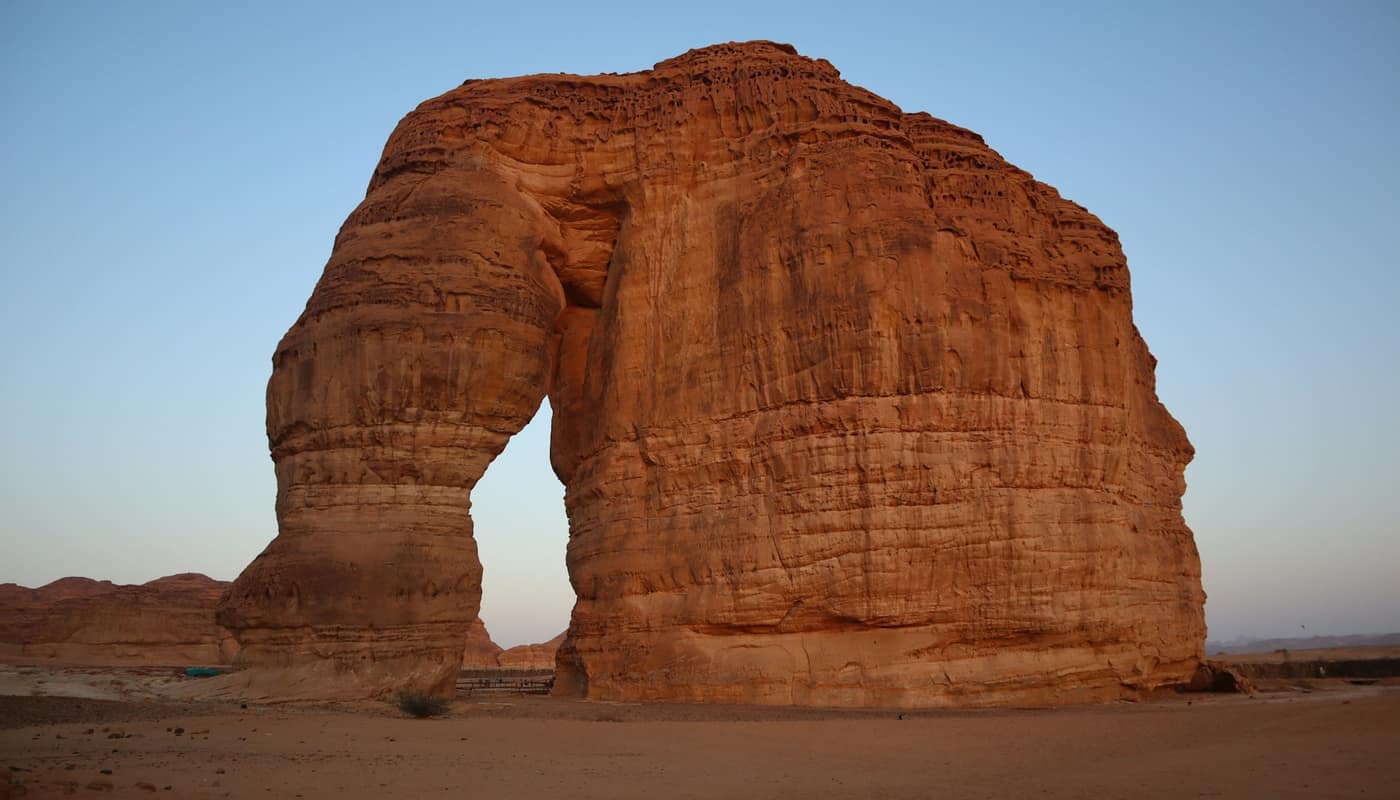
Hegra is part of a wider landscape. The oasis valley of AlUla has been inhabited for thousands of years. The ancient city of Dadan, associated with the Dadanite and Lihyanite kingdoms, lies nearby, and rock art and inscriptions are scattered across the surrounding hills. The old town of AlUla, a historic settlement of mud-brick houses, stands next to the oasis. Natural landmarks include isolated sandstone formations, among them a weathered rock with a natural arch that has become a symbol of the area.
In recent years, the area has been the focus of a large development plan for tourism, culture and conservation, led by a government commission. New hotels, visitor centres, arts venues and a mirrored event building have opened. The broader national context is explained in how Saudi Vision 2030 is organised. Such developments raise a familiar question for heritage landscapes: how to welcome more visitors while protecting what they come to see.
How can visitors see Hegra?
Access to Hegra is organised. Visitors generally book through official channels and tour in guided groups, with set routes and time slots. The arrangements, tickets and transport options are managed by the authorities in charge of the area and change over time, so the official site is the place to check before booking. Visits are often arranged for the morning or late afternoon, when light is best and temperatures are lower.
The site is large and exposed. Visitors should wear sun protection and comfortable shoes, carry water and follow the guide’s instructions about where to walk. Climbing on or touching the tombs is not permitted, because carved surfaces are fragile.
What is the landscape like?
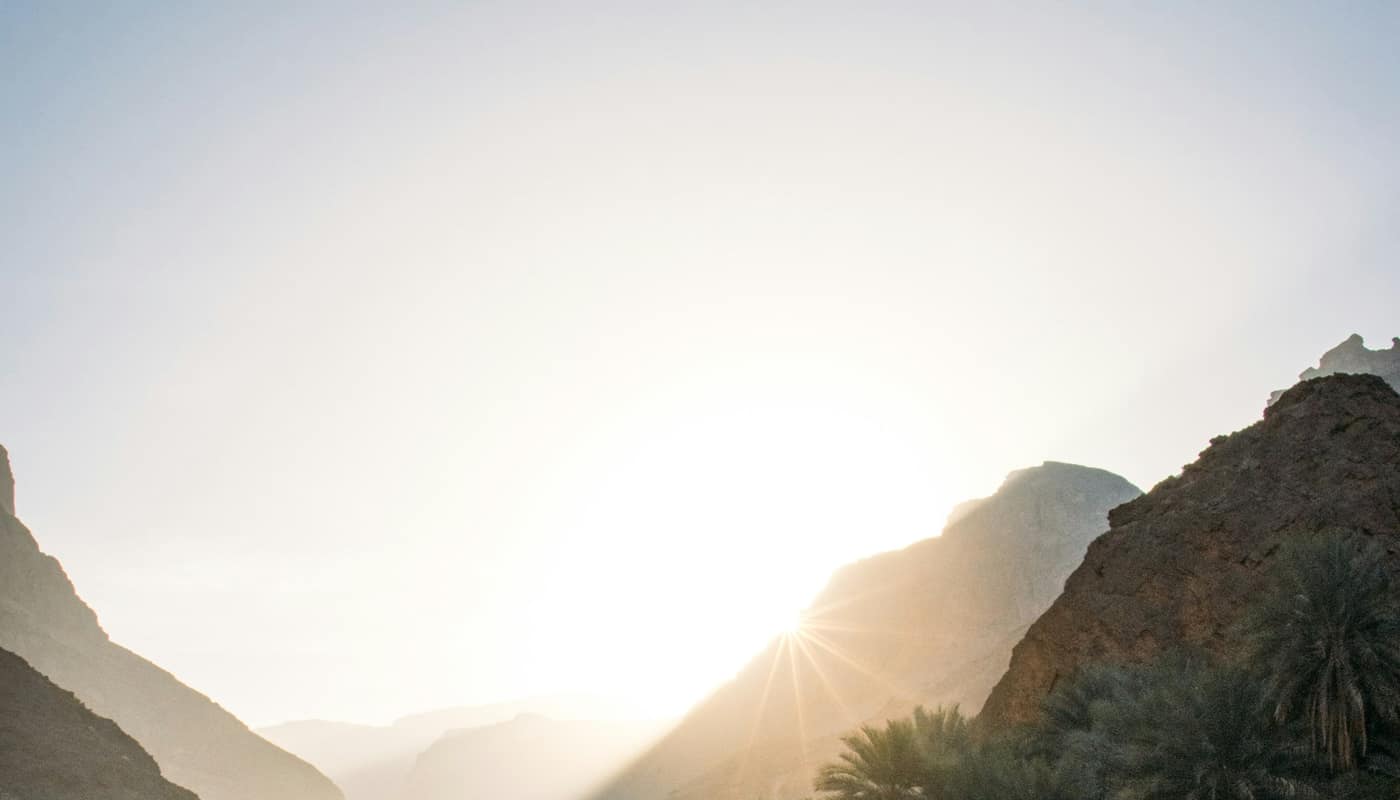
The valley floor is a mix of sand and gravel, edged by sandstone outcrops that have been shaped by wind into rounded towers, ridges and isolated blocks. Some stand alone on the plain, which is why the tombs cut into them are visible from a distance. Date palms and small farms fill the oasis, and in spring a little greenery appears in the desert. The colours shift through the day, from pale gold at noon to deep orange and pink at sunset.
What is the best season?
Cooler months, from autumn to spring, are the most comfortable for walking and photography. Summers are very hot. Evenings can be chilly in winter. The region’s cultural calendar includes festivals and events during the cooler months, which can make hotels busy, so early booking is wise.
How does it compare with other sites in the region?
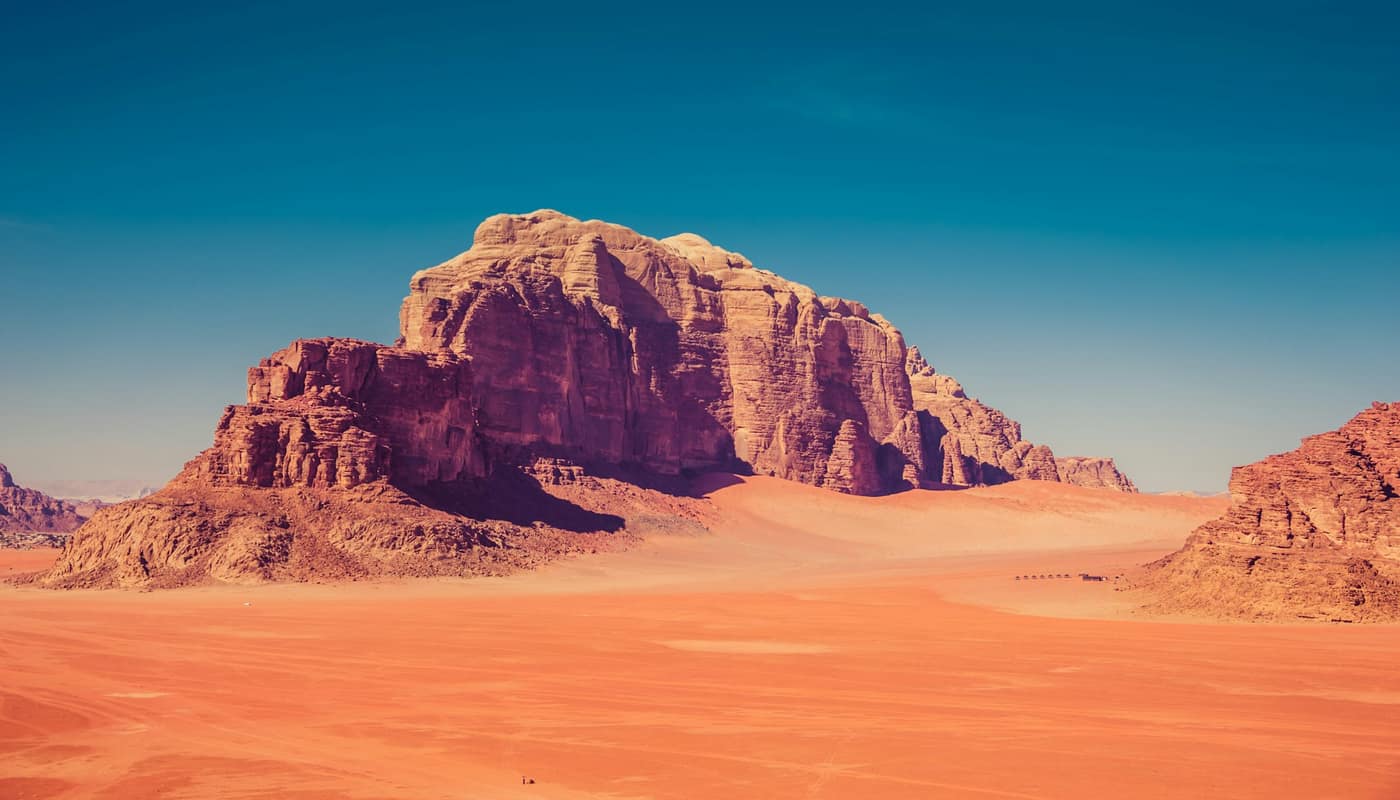
For a visitor interested in Nabataean history, Hegra and Petra form a pair: one in Saudi Arabia, the other in Jordan, both on the old trade routes. Jordan’s desert landscape of Wadi Rum, covered in a guide to Wadi Rum, offers a different aspect of the same region, with natural monuments and rock art. For a different kind of heritage that shows how people lived in dry lands, see Oman’s falaj irrigation.
Why does the tomb inscription matter?
The inscriptions on the tomb facades at Hegra are a rare source of direct evidence. Written in the Nabataean script, they usually name the person for whom the tomb was made, the family that owned it and sometimes the date, and they often include warnings against reusing the tomb, with penalties for those who do. Scholars use them to learn about names, family structure, religion, law and language in the Nabataean world. The fact that the tombs were not reused, as UNESCO notes, means that the inscriptions are in their original setting.
Reading the facade also tells a visitor something about status. Larger tombs with more elaborate carving, such as multiple crowning steps or carved columns, were usually made for wealthier families, while simpler graves served others. Guides can point out the features that distinguish one tomb from another.
Quick facts
- Listing: UNESCO World Heritage Site, inscribed in 2008, the first in Saudi Arabia.
- Culture: Nabataean, with tombs dating from the first century BC to the first century AD.
- Tombs: UNESCO’s nomination file counts 111 monumental tombs.
- Inscriptions: About 50 pre-Nabataean inscriptions and some cave drawings.
- Criterion: (iii), unique testimony to a civilisation.
- Setting: An oasis valley in north-western Saudi Arabia, with wider archaeological and natural attractions.
What should visitors check before they go?
Check government travel advice, as conditions in the region can change; confirm visa and entry rules; book official tours in advance; and confirm opening times and accessibility, which may vary by season. Respect local customs, particularly in dress and behaviour, and follow the rules of the site. Responsible visitors help to ensure that the monuments survive.
Sources: UNESCO World Heritage Centre; UNESCO