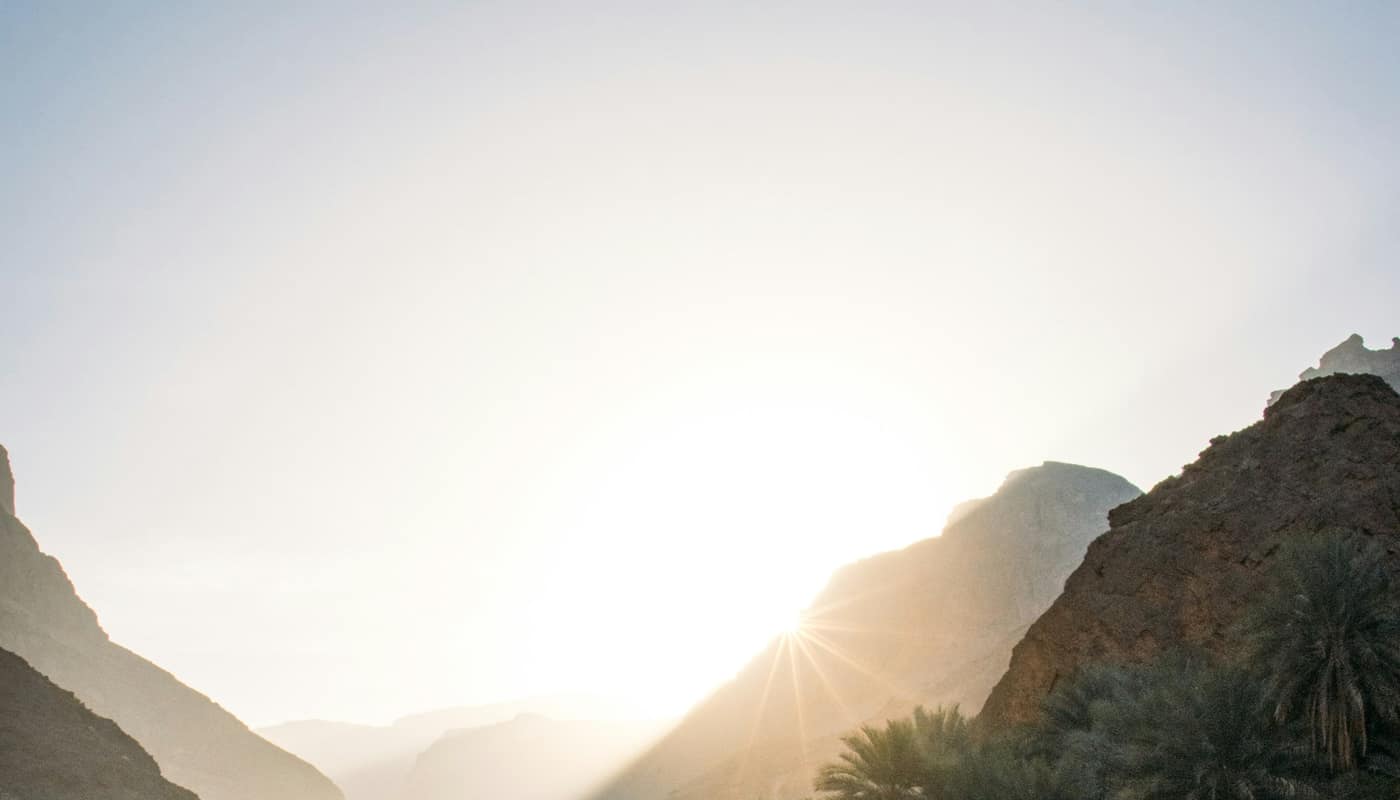
In the mountains and plains of northern Oman, narrow channels of running water thread through villages and date groves. These are the aflaj, plural of falaj, an ancient irrigation system that moves water from underground sources or springs to where people live and farm. They are not just infrastructure. They are a way of organising a community around a shared resource.
What is a falaj?
A falaj is a gravity-fed channel. Water from an aquifer, a spring or a river bed flows through an open or underground conduit, often for kilometres, to reach a settlement, where it is divided among users. Because it depends on gravity, there is no need for pumps or fuel. A well-designed falaj can keep running for centuries with careful maintenance.
Different types exist. Some tap underground water through a tunnel dug into a hillside, others draw from a spring and others from a stream. The design suits the particular landscape, and communities have developed local techniques for building and cleaning the channels.
What did UNESCO recognise?
UNESCO inscribed the Aflaj Irrigation Systems of Oman on the World Heritage List in 2006. The property is a serial site made up of five falaj systems: Falaj Al Jeela, Falaj Muyassar, Falaj Daris, Falaj Malki and Falaj Khatmein. Four lie around the Al Jabal Al Akhdar mountain range, and one is in the Sharqi range.
According to UNESCO, the five are representative of more than 3,000 functioning aflaj in Oman. The inscription is based on criterion (v), which concerns traditional human settlement and land use that is representative of a culture and vulnerable to change. The listed areas differ in size and character. Falaj Daris, for example, is described as having the widest range of building types of any component, and Falaj Khatmein as one of the most intact functioning aflaj landscapes.
How is the water shared?
The social side is as important as the engineering. Traditionally, water is divided by time: each landowner or group has the right to the flow for a set period, in turn, and the cycle repeats. Time was historically measured by the sun and stars, and in some places by simple instruments, and a village official typically oversaw the division and kept records. Rights could be bought, sold or inherited, and some shares were allocated to support mosques and community needs.
This shows a principle that observers of water systems elsewhere recognise: shared management with clear rules can make a scarce resource work for a whole community. It also means that the falaj is a living institution, with officials, rules and customs, not just a channel.
What are the threats?
UNESCO’s documents identify falling groundwater as the main pressure. When wells and pumps lower the water table, the underground sources that feed the channels may drop and the flow can weaken or stop. Changes in rainfall and in land use can add to the stress. Oman has legal protection for the system, with a royal decree in 2008 covering the underground and surface channels, and restoration work has been carried out on specific parts, such as an underground channel and an aqueduct at two of the listed sites.
The issue links to a wider regional concern, since much of the Arabian Peninsula depends on groundwater, as described in the Arabian Peninsula explained, and since modern supply increasingly comes from desalination, covered in how Gulf desalination turns seawater into drinking water.
Where can visitors see a falaj?
Several of the listed systems are near towns and forts that are visited for other reasons. Nizwa, in the interior, is known for its fort and its market, and the Falaj Daris, which feeds the Nizwa oasis, is among the best-known examples. Other aflaj run through villages in the mountains and plains, where a visitor can follow the channel, see the divisions of water and watch it irrigate date palms, vegetables and fodder.
Some channels have walkways or small visitor facilities, and in certain places, children and adults swim or cool off in them, although such use depends on local rules, and in some areas the water is for drinking or irrigation and should not be disturbed. It is best to ask locally.
What should visitors know?
- Respect the water. Do not wash in, pollute or block a channel, and follow signs. The water is a community’s lifeline.
- Ask before entering gardens, and respect private property and the people working in the fields.
- Dress modestly in villages, and ask before photographing local people.
- Go in the cooler months for walking, and carry water and sun protection.
- Hire a local guide if you want to understand the water-sharing system and its history.
How does the falaj fit into Omani culture?
The falaj is part of village identity. Communities gather at the channel, mosques are often built beside it, and local festivals and customs reflect the importance of water. Date palms irrigated by the aflaj produce one of the staple foods of the region, and dates and coffee are central to hospitality, as explained in Arabic coffee, a tradition of hospitality with UNESCO recognition.
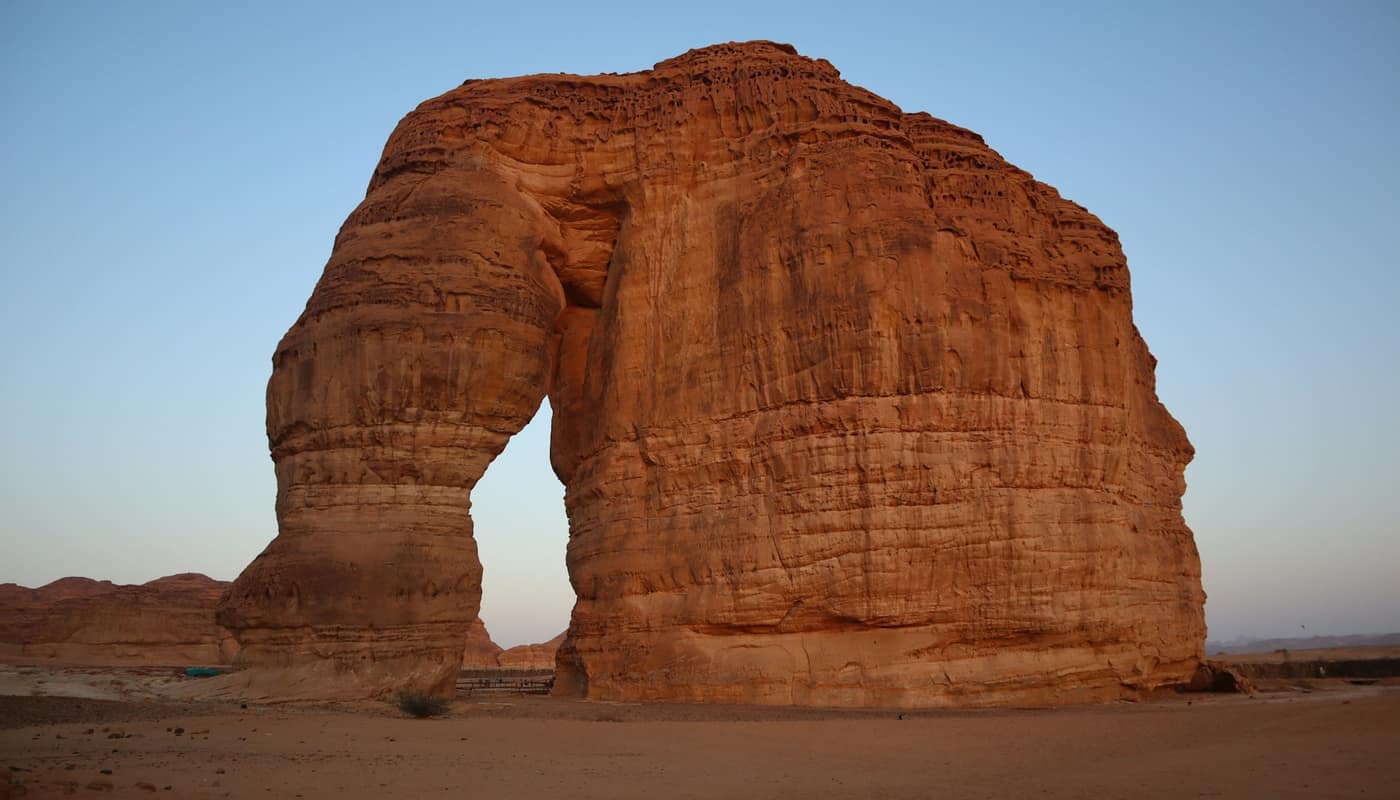
Oman’s heritage also includes forts, towers and old towns, and a visit to a falaj can be combined with these. The same pattern of heritage tourism built on traditional landscapes appears in other parts of the region, such as the oasis and rock-cut monuments of AlUla and Hegra.
What are the quick facts?
- Listing: UNESCO World Heritage Site since 2006.
- Components: Five falaj systems, four around the Al Jabal Al Akhdar range and one in the Sharqi range.
- Representation: They stand for more than 3,000 functioning aflaj in Oman.
- Criterion: (v), traditional land use.
- Main pressure: A falling groundwater table.
- Protection: A royal decree of 2008 covers the underground and surface channels.
What does the system grow?
The water supports date palms, which provide shade for other crops beneath them, as well as citrus, bananas, vegetables, alfalfa and grains in some areas. The layering of tall palms, mid-height fruit trees and low crops makes efficient use of water and space and creates a microclimate that is cooler than the surrounding land. Dates are a staple food and a traditional trade item, and the harvest is an important event in the calendar. Farmers also keep goats and other animals that use the same irrigated land.
Because the supply is shared and finite, farmers choose what to plant based on how much water their share provides. Changes in the groundwater table therefore translate directly into decisions on the ground: planting less, shifting to hardier crops or, in the worst cases, abandoning fields. Researchers and local authorities monitor the flow of the channels to understand these trends.
What does the falaj teach?
For a modern reader, the falaj is a reminder that dry regions developed ingenious ways to live within their means. Its sustainability depends on the balance between withdrawal and recharge, on community rules and on maintenance. As water pressures grow, the lessons of these systems, from fair sharing to careful monitoring, are of interest to planners and researchers worldwide.
Sources: UNESCO World Heritage Centre