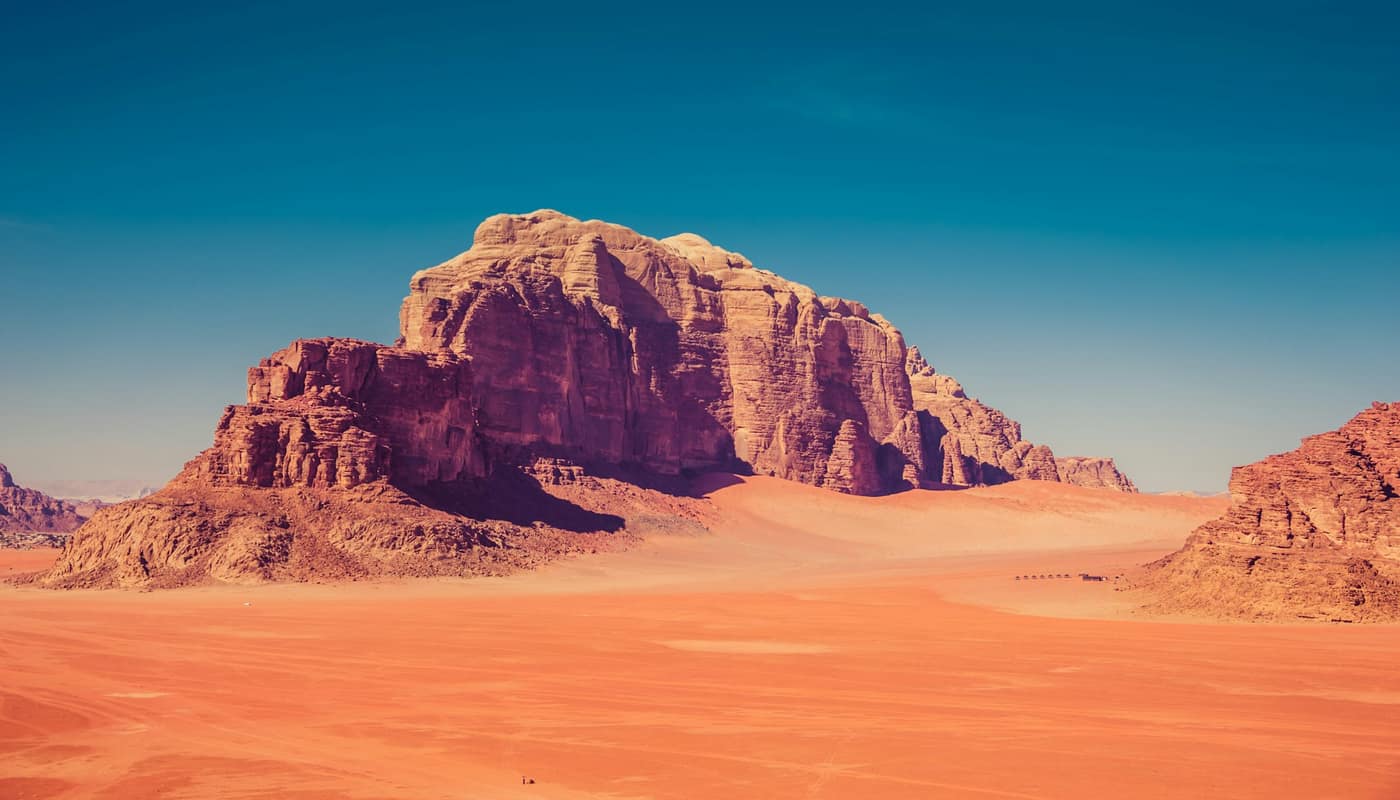
Few landscapes say “desert” as clearly as Wadi Rum. Vertical sandstone cliffs rise from a floor of red and pale sand, and natural arches and narrow gorges cut through the rock. It is a place of geology, of old human settlement and of living Bedouin communities, and it is among the most popular nature destinations in Jordan.
Where is it and what is it?
Wadi Rum lies in southern Jordan, a short journey inland from the Red Sea port of Aqaba. The name refers to a valley, a wadi, that runs through a larger protected area of desert. Local guides and operators work from the nearby village, and most visitors explore by vehicle, on foot, on camel or horseback, or by climbing.
The area is probably best known to wider audiences through film and photography. It is associated with the First World War campaign in the region and with later films, and its rock formations have been used as backdrops for stories set on other planets, which gives visitors an odd sense of familiarity as they arrive.
What does UNESCO say about it?
According to UNESCO, the Wadi Rum Protected Area was inscribed on the World Heritage List in 2011 as a mixed site, meaning that it was recognised for both natural and cultural value. The property covers 74,000 hectares. It was inscribed under three criteria.
- Criterion (iii) concerns the evidence of past human cultures. UNESCO’s description mentions about 25,000 petroglyphs and 20,000 inscriptions, together with 154 archaeological sites, which point to human use of the area for at least 12,000 years.
- Criterion (v) concerns the way people have used the land. The varied landforms supported human settlement, and the rock art and water-collection systems document it.
- Criterion (vii) concerns natural beauty. The site is described as an iconic desert landscape of sandstone mountains, natural arches and gorges.
The inscription was a narrower outcome than the original nomination, which proposed additional criteria. That history is documented on UNESCO’s site, and it shows how the listing process tests claims against expert review.
What is there to see?
Highlights include the following.
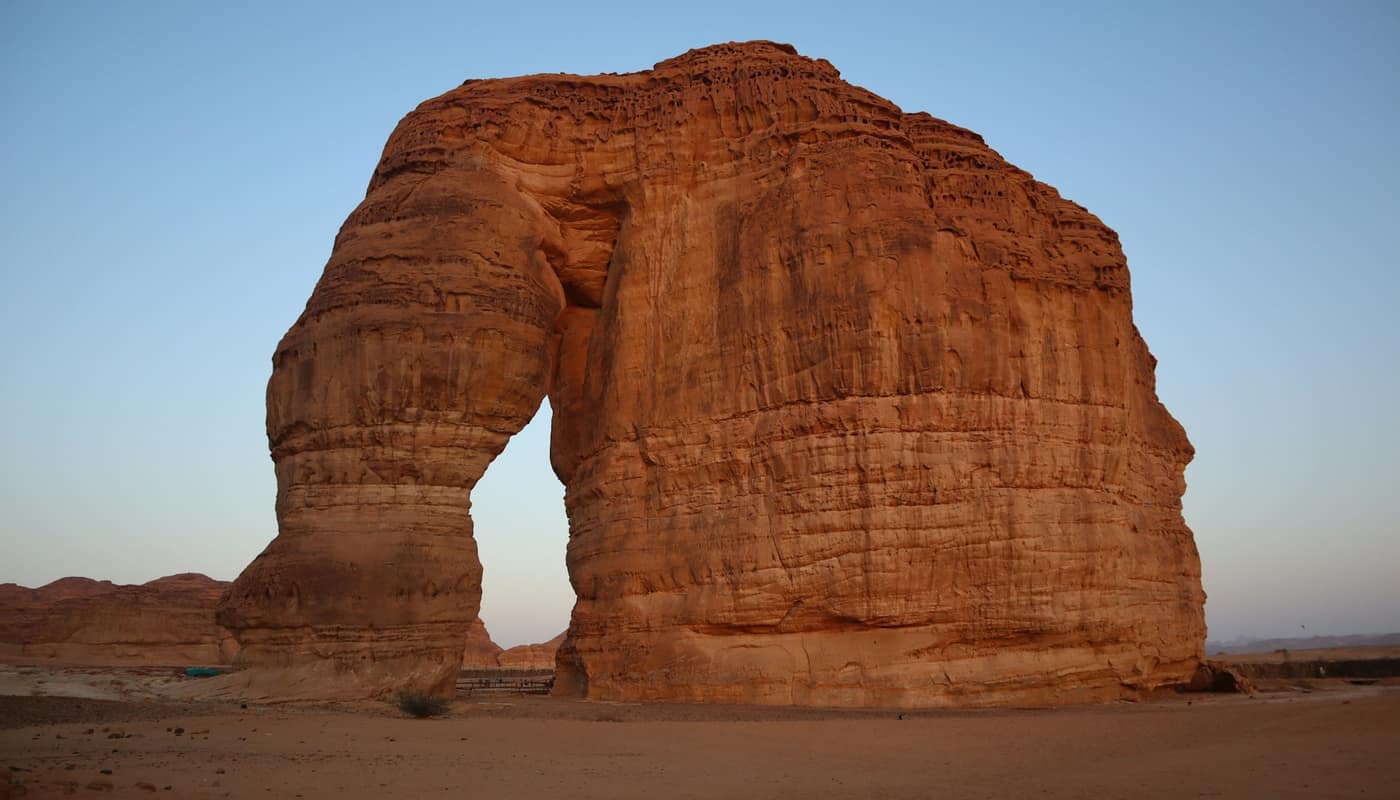
- Rock formations and arches. Natural bridges and massive cliffs are the best known features, and each has a local name.
- Inscriptions and petroglyphs. Carvings of people, animals and symbols, along with writing in ancient scripts, appear on rock faces. Guides can point out the main sites.
- Springs and canyons. Small water sources and narrow canyons are scattered across the area, and some can be reached on short walks.
- Dunes. Red sand dunes, some of them climbable, are popular for views at sunrise and sunset.
- Night sky. With little light pollution, the stars are very clear on moonless nights.
How do visitors usually explore?
Most people join a guided tour in a four-wheel-drive vehicle that follows set routes and stops at the main sights. Tours range from a couple of hours to a full day, and many include tea with a local host. Longer options include overnight stays at desert camps, camel treks and guided hikes. Rock climbing and scrambling are possible with experienced local guides and proper equipment.
Because the area is large and the terrain is easy to misjudge, going with a licensed local guide is both safer and more respectful. Guides know the routes, the water, the weather and the local customs, and tourism provides income to the Bedouin communities who live in the area.
What is the best time to go?
Spring and autumn are generally the most comfortable seasons, with mild days and cool nights. Summer is very hot, and winter nights can be cold, with temperatures dropping close to freezing. Whatever the season, visitors should carry plenty of water, wear sun protection, use sturdy shoes and bring warm layers for the evening. Flash floods can occur after rain in a wadi, so heed local advice if the weather changes.
How should visitors behave?
The area is a protected landscape and a cultural heritage site, and responsible visitors can help to keep it in good condition.
- Stay on marked tracks and avoid driving over fragile ground or near rock art.
- Never touch, scratch or add to inscriptions. Even a light touch can damage ancient carvings, and graffiti is a serious offence.
- Take rubbish away, including food scraps, tissues and bottles.
- Ask before photographing people, and respect the privacy of local families.
- Dress modestly, especially in villages and when visiting a family’s tent.
UNESCO’s reports on the state of conservation have raised issues about the management plan and the need for a comprehensive strategy to protect petroglyphs, inscriptions and archaeological sites, which shows why visitor behaviour matters.
What should visitors pack?
A light scarf or head covering helps against sun and wind-blown sand, and sunglasses and sunscreen are essential. Closed shoes with grip suit the loose sand and rocky slopes, while a small torch or headlamp is useful at a camp. Bring a refillable water bottle, a power bank, a warm jacket for the night and some small cash for tips and for snacks in the village, where card machines are not always available.
How does it fit with other travel in Jordan?
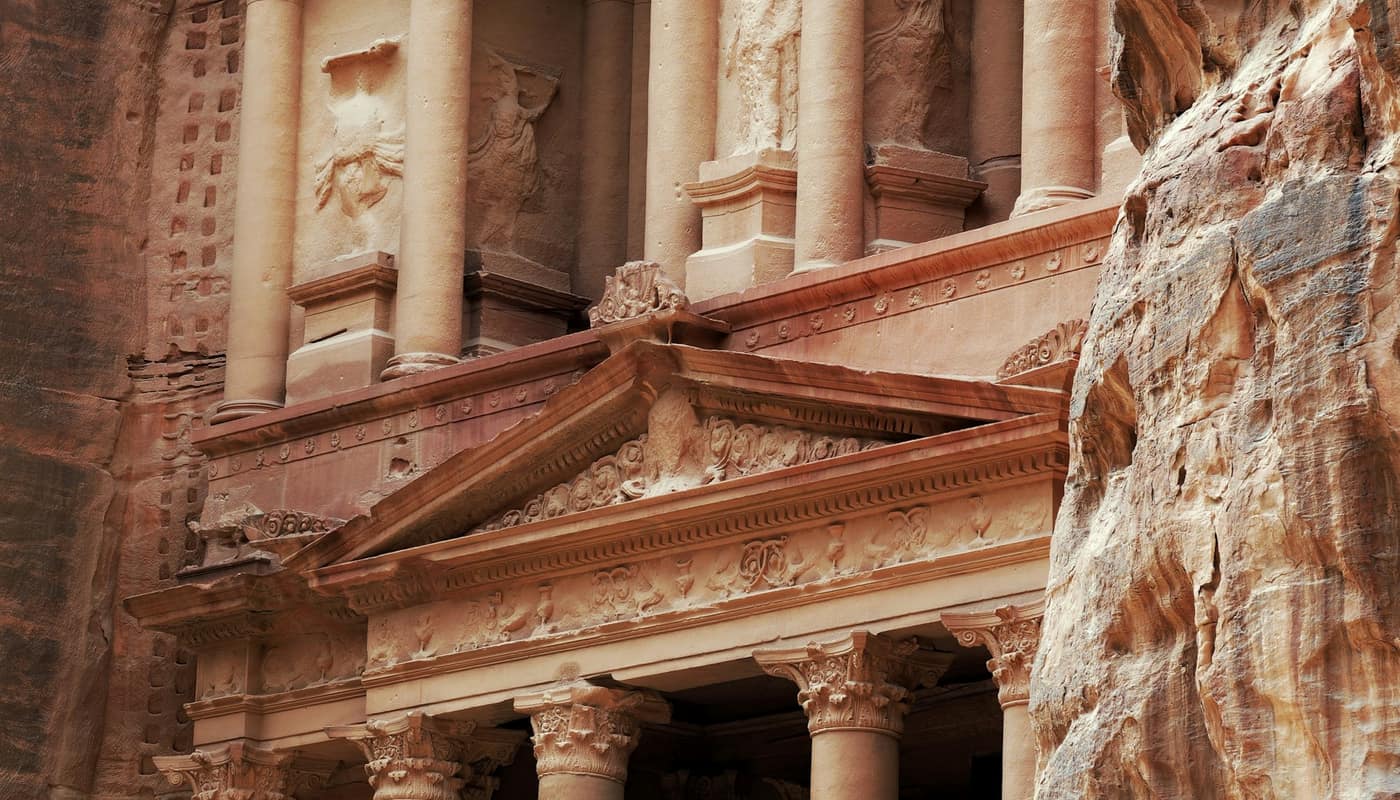
Wadi Rum is often combined with a visit to Petra, the rock-cut city described in Petra: what to know before you visit, and with Aqaba on the coast. Both Petra and Wadi Rum are linked to the Nabataeans, a trading people who built a kingdom in the region, and whose story continues in Saudi Arabia at AlUla and Hegra. The desert culture of the wider region includes traditions of hospitality and of life with animals, such as falconry.
How do the Bedouin communities fit in?
Wadi Rum is not an empty wilderness. Families from local Bedouin communities live in and around the protected area, graze animals, run camps and work as guides and drivers. Tourism is now a main source of income for many of them, and visitors who book directly with community-run operators put money into the local economy. The culture of the desert, including hospitality, tea and coffee served to guests, storytelling and knowledge of the landscape, is part of what visitors come to experience, and it is worth approaching with curiosity and respect.
The balance between conservation and livelihoods is a topic that management plans try to address. Rules on vehicle numbers, camp locations and waste are designed to keep the area healthy while allowing communities to benefit, and UNESCO’s monitoring reports have asked for these plans to be strengthened. Visitors can help by choosing operators that follow the rules and by asking questions about how their trip affects the area.
What practical planning is needed?
Check current travel advice from your government, because conditions across the region can change quickly, and confirm entry requirements and visas before booking. Book tours and camps with established operators, and ask about group size, safety equipment, water and what is included in the price. Entry fees, opening hours and visitor rules are set by Jordanian authorities and can change, so it is best to check with the official tourism board or the protected area’s management.
Travel insurance that covers outdoor activities is sensible, and it is wise to let someone know your itinerary. For many visitors, the memories that last are simple: a quiet moment on a dune, a cup of tea in a tent, and the scale of the rock against the sky.
Sources: UNESCO World Heritage Centre