For centuries, hunters in the deserts of Arabia trained falcons to catch game such as hares and houbara bustards. The practice allowed communities to supplement a scarce diet, and it gave rise to a rich vocabulary, a body of skills and a set of social customs. Today, falconry is a sport, a symbol of heritage and, increasingly, a subject of conservation.
What is falconry?
Falconry is the keeping and training of birds of prey to hunt wild quarry in its natural state, with the bird flying free and returning to the handler. It is different from keeping a bird as a pet, because it relies on trust and on training methods that develop the bird’s natural abilities. A falconer must understand the bird’s weight, diet, health and behaviour, and they spend long periods in close contact with it.
UNESCO describes falconry as a living human heritage, and it says that the practice has been passed on from generation to generation, through mentoring, in families and in clubs. It is not confined to the Arab world: it is found in many parts of Europe and Asia as well.
What did UNESCO recognise?
UNESCO’s register records that falconry was first inscribed on the Representative List of the Intangible Cultural Heritage of Humanity in 2010, as a multinational element, and that it has been extended several times, in 2012, 2016 and 2021, as further countries joined the nomination. According to UNESCO’s information, the states that took part in the 2012 decision included the United Arab Emirates, Qatar, Saudi Arabia, Morocco and Syria alongside several European countries, and the list has since grown to more than twenty states across Europe, Asia and North Africa.
The multinational nature of the inscription is significant. It shows that the tradition is shared, and it encourages cooperation between countries on safeguarding, education and the exchange of knowledge.
Which birds are used?
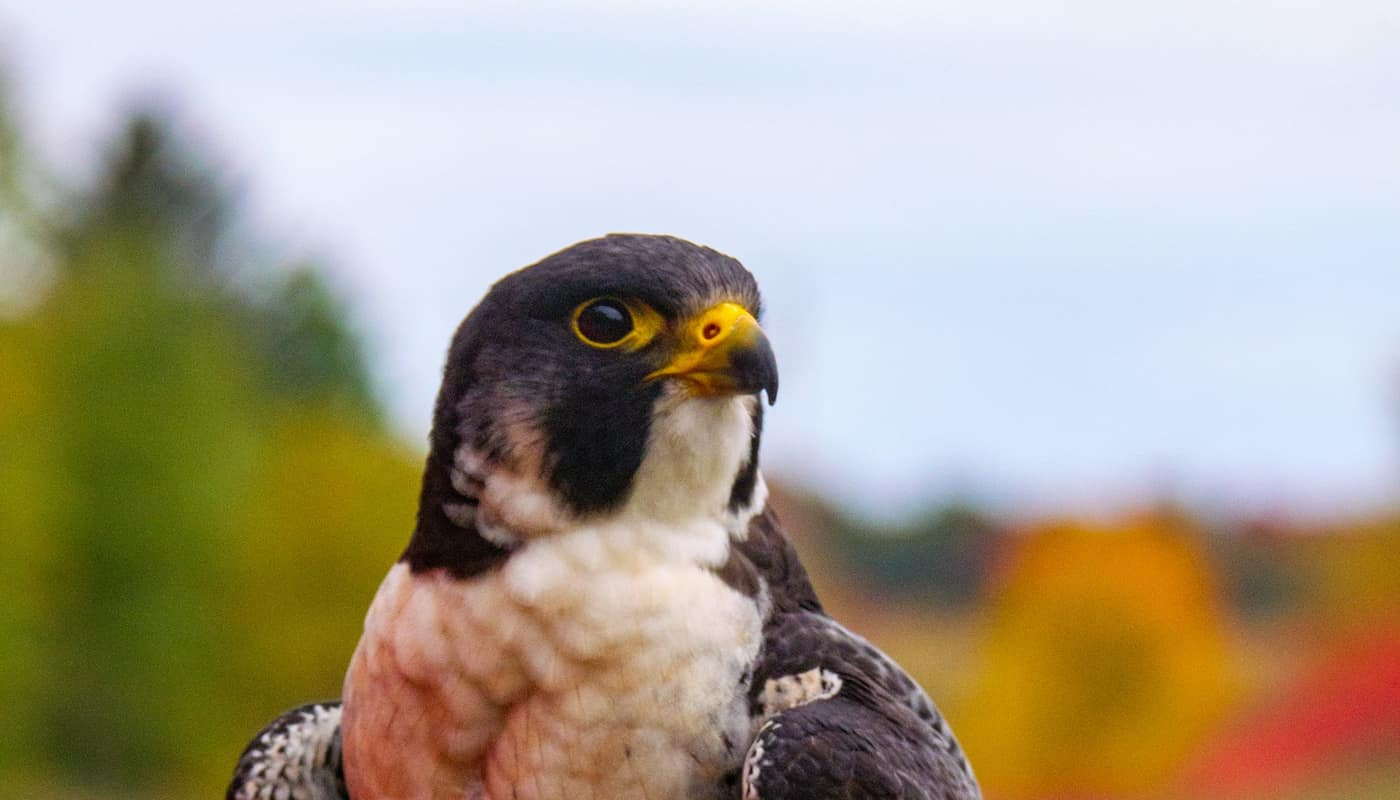
Different species suit different quarry and landscapes. Falcons, which are fast and fly in an open style, have long been the preferred birds for hunting in the open desert. The saker and the peregrine are well known, and in the Gulf, falcons are also bred in captivity, partly to reduce the pressure on wild populations. Hawks and eagles are used in other traditions, with different handling techniques.
The birds are kept in specially built spaces, trained with lures and fed on a controlled diet. They wear a hood to keep them calm and leather straps called jesses to hold them on the glove. A great deal of equipment has its own name, and the craft of making hoods and gloves is part of the heritage.
What is the cultural role of falconry in the Arab world?
For Bedouin communities, falconry was historically a practical activity, but it also carried status and a set of values: patience, endurance, skill and respect for nature. Poetry, proverbs and folk tales refer to falcons, and in many Gulf states the falcon is a national symbol that appears on coins, emblems and official logos. Falconry is also a social activity, with gatherings, competitions and festivals bringing practitioners together.
Today, falcons are part of modern culture. There are specialist hospitals, breeding programmes, beauty contests for falcons and large auctions, as well as museums and schools that teach the tradition. These developments show how a traditional practice can be adapted, and they also raise questions about commercialisation. Observers and practitioners debate how to keep the cultural meaning intact as the sport becomes more organised.
How is falconry regulated?
Birds of prey are protected by international and national wildlife rules. The Convention on International Trade in Endangered Species of Wild Fauna and Flora, known as CITES, regulates international movement of many falcon species, which means that cross-border transport needs permits and documentation. Individual countries have their own licensing requirements and restrictions on taking birds from the wild and on hunting seasons. Falconers who travel with birds need to check the rules of each country and the airlines, which may set separate requirements.
Conservation organisations and governments have also set up breeding and release programmes, as well as protected areas for the quarry species, such as the houbara bustard, which has declined in parts of its range. These measures aim to keep the tradition sustainable.
How can visitors learn about it?
Many countries in the region offer opportunities to see falconry in an educational context. Heritage centres, desert camps and museums offer demonstrations in which a falconer explains the bird and its training. Specialised hospitals and visitor centres may allow guided visits. Visitors should choose operators who treat birds well, avoid anything that seems to cause the animals distress and respect the instructions of the handlers.
Some activities involving wild animals can be harmful, so it is sensible to look for operators that are licensed and that put the welfare of the birds first. The landscape that shaped the tradition, the desert and its edges, is introduced in the Arabian Peninsula explained.
How is a falcon trained?
Training takes patience and follows stages. A young bird is first accustomed to the handler’s presence and to the glove, often by being fed on it. The falconer then teaches the bird to come to the glove on a long line, and later to fly to a lure, a feathered object attached to a line that mimics prey. Only when the bird reliably returns is it flown free. Throughout, weight management is crucial: a bird that is too heavy is not motivated to hunt, while one that is too light is weak and at risk.
Falconers monitor health closely, since birds of prey are sensitive to disease and stress. Veterinary care, a clean environment and a varied diet are central parts of the practice. In modern times, GPS and radio tracking devices are often attached to the bird to help recover it if it flies out of sight.
Is falconry still a hunting practice?
For many falconers today, falconry is a sport and a cultural activity more than a way to feed a family. Hunting is regulated, with seasons, licences and limits on the species and numbers that may be taken, and in some places falcons are flown at lures only. Competitions test speed and obedience. Whatever the format, the underlying skills, the relationship with the bird and the values of patience and respect remain the heart of the tradition.
How does it connect with other heritage?
Falconry belongs to the same family of hospitality and desert traditions as the coffee ritual described in Arabic coffee, a tradition of hospitality with UNESCO recognition. Both are practised in the majlis and the camp, both are learned by watching and doing, and both are recognised by UNESCO as living heritage. In the desert valleys and open landscapes that attract visitors today, such as the one described in a guide to Wadi Rum, Jordan’s desert valley, falcon and coffee can both be part of the cultural experience.
Why does it matter?
UNESCO’s recognition draws attention to the knowledge and community that sustain a practice. In falconry’s case, that means mentors, breeders, trainers, craftspeople and clubs, as well as the birds themselves. Keeping the tradition alive depends on passing on skills, protecting wildlife and finding a balance between heritage and modern pressures.
Sources: UNESCO Intangible Cultural Heritage; CITES Secretariat