In most of the Gulf, there is almost no surface water, and groundwater is limited and slow to recharge. Cities of millions of people nevertheless have water on tap, because governments have built some of the largest desalination plants in the world. Understanding how these plants work, and what they demand, explains much about the region’s infrastructure, energy use and environmental choices.
Why does the Gulf depend on desalination?
The reasons are geographic. The Arabian Peninsula is dry, with low and irregular rainfall and no permanent rivers in most states, as explained in the Arabian Peninsula explained. Traditional sources, such as springs and shallow wells, supported small oasis communities, but they cannot supply modern cities, industry and agriculture. Aquifers hold water laid down over thousands of years, and drawing them down faster than they recharge lowers the water table.
At the same time, the Gulf has plenty of seawater and, historically, abundant energy. Desalination, which removes salt from seawater, turns those assets into a reliable supply. A 2023 report citing the market intelligence firm Global Water Intelligence, summarised in regional press, put the desalination plants of the six Gulf Cooperation Council states at about 67 million cubic metres a day, around 45 percent of global seawater desalination capacity. Estimates vary by source and year, but they agree that the region is the world’s largest user of the technology.
What are the two main methods?
There are two broad families of technology.
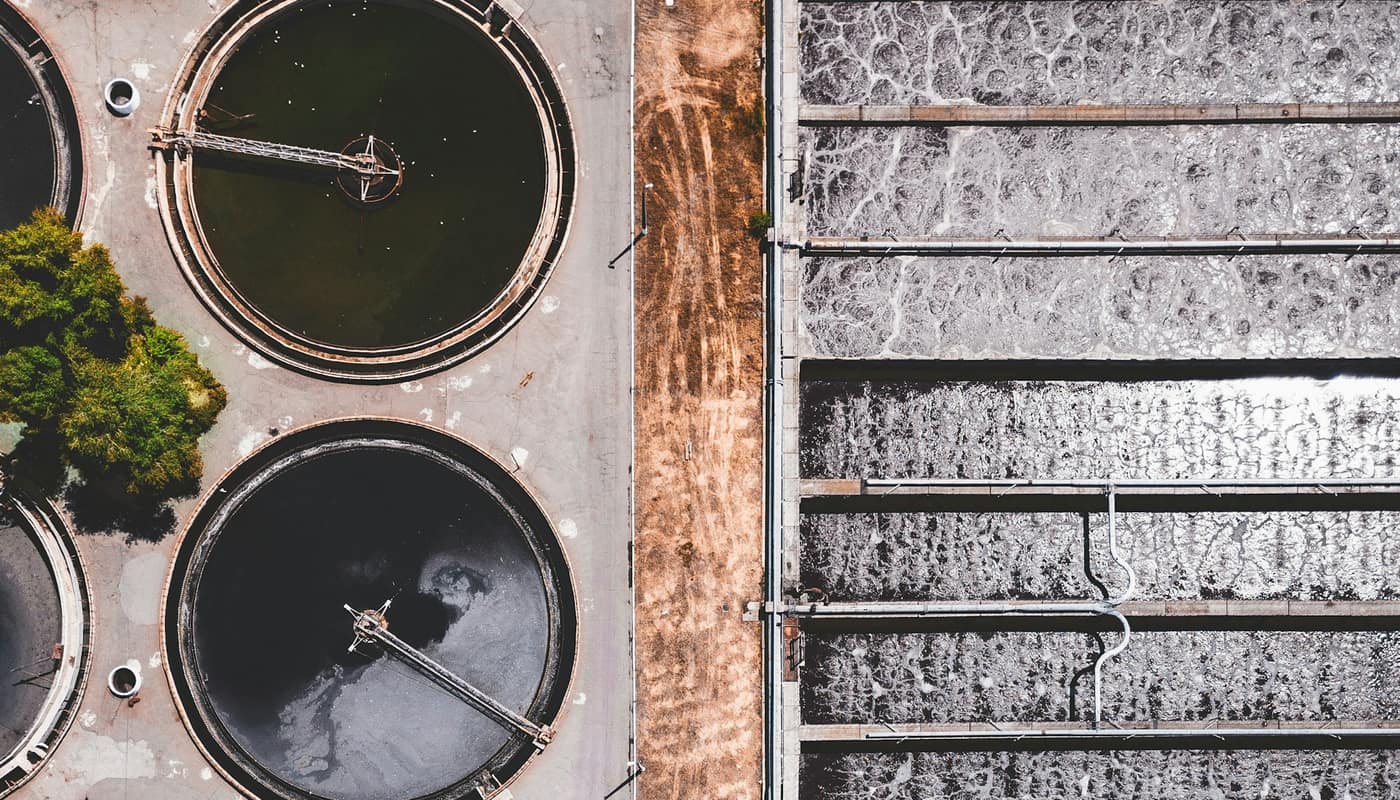
- Thermal desalination heats seawater so that it evaporates, then condenses the vapour as fresh water, leaving the salt behind. The best-known process in the Gulf is multi-stage flash distillation, in which heated seawater is passed through a series of chambers at progressively lower pressure, so that it boils, or “flashes”, at each stage. Multi-effect distillation is a related process that uses the heat of vapour from one stage to evaporate water in the next.
- Membrane desalination, mainly reverse osmosis, pushes seawater at high pressure through a semi-permeable membrane that lets water molecules through and blocks most salt. The process needs pre-treatment to remove particles and organisms, and membranes must be cleaned and replaced.
The two methods differ greatly in how they use energy, which is the key to understanding their trade-offs.
Why are thermal plants common in the Gulf?
Thermal plants were the first large-scale solution, and they are often built next to power stations. The reason is that power plants produce large amounts of waste heat, which a thermal desalination plant can use. A combined power-and-water plant generates electricity and fresh water together, which makes efficient use of the fuel. These plants are robust and well suited to the warm, salty, sometimes polluted water of the Gulf, where intake water can contain more algae, sand and oil than open ocean water.
The International Energy Agency has noted that about two-thirds of the seawater desalination in the region comes from thermal plants fuelled by fossil energy. Because the Gulf has plentiful oil and gas, this was historically a natural choice.
Why is the region moving towards reverse osmosis?
Reverse osmosis uses far less energy per unit of water. A review reported by the Oman Observer states that seawater reverse osmosis typically consumes about 4 to 6 kilowatt-hours of electricity per cubic metre, compared with about 18 to 29 kilowatt-hours per cubic metre for multi-stage flash, although figures depend on the plant and how the energy is counted. The trade press has reported that membrane plants make up almost 60 percent of the region’s planned capacity, against about 21 percent of existing capacity, which points to a shift as older thermal plants age and new projects are tendered.
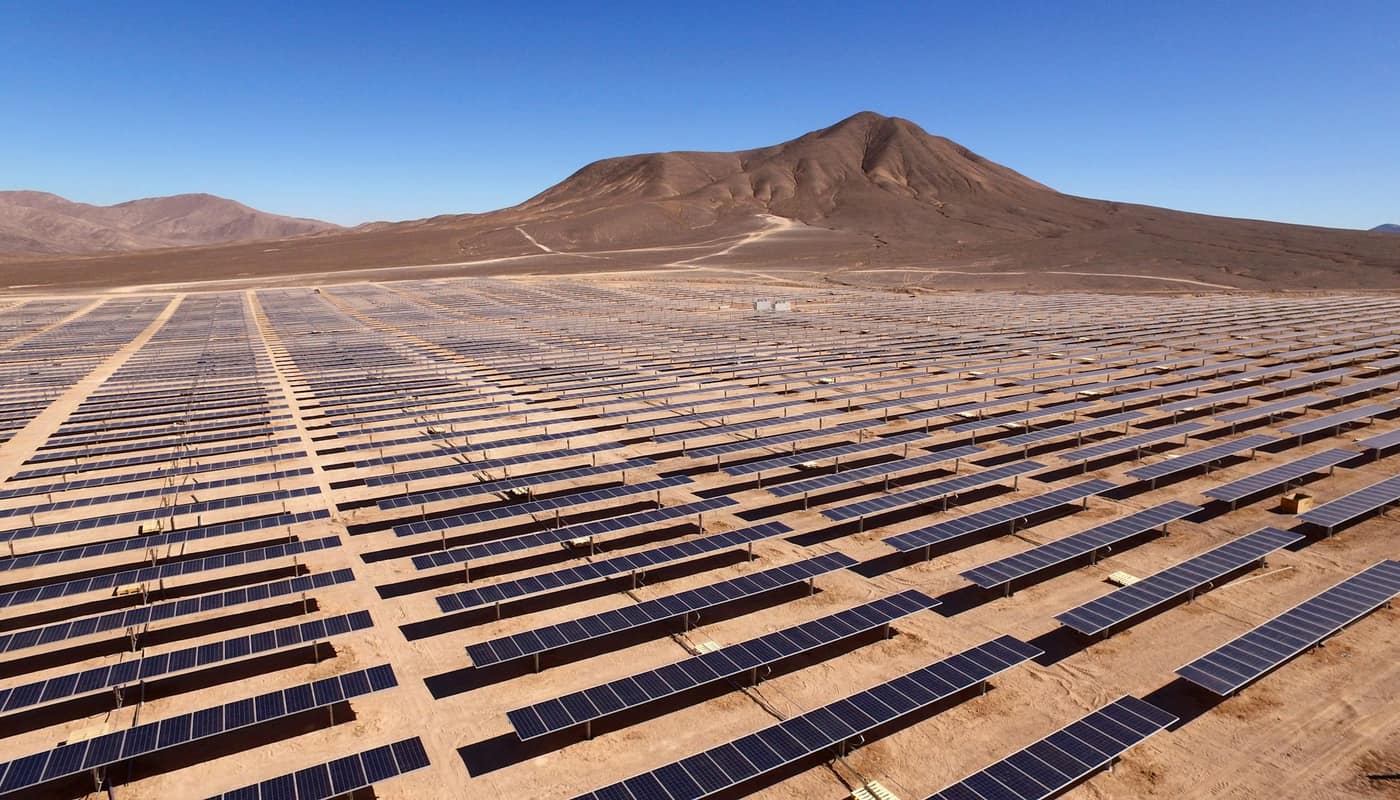
Another factor is flexibility. Membrane plants can be built in stages and can be powered by electricity from a grid, including renewable power, so they fit better with plans to reduce emissions. The shift is a theme in how large solar farms work in the Gulf.
What are the environmental costs?
Desalination has several impacts.
- Energy and emissions. Because the process needs large amounts of energy, plants powered by fossil fuel emit greenhouse gases. The shift to more efficient plants and to renewable power aims to reduce this.
- Brine. For every litre of fresh water, plants produce a more concentrated brine, which is usually returned to the sea. In a shallow, warm and highly saline water body such as the Gulf, extra salinity and chemical residues from cleaning can affect marine life near outfalls.
- Intake effects. Drawing in large volumes of seawater can trap small organisms, so intake design matters.
- Cost. Water produced this way costs more than water from rivers or aquifers, and governments often subsidise it.
Regulators and researchers monitor these effects and look for improvements such as better diffusers for brine discharge, open-water intake designs and energy recovery devices in membrane plants.
How is the water delivered and stored?
Desalinated water is treated, usually with added minerals, and pumped through long pipelines to reservoirs and cities. Because supply must be reliable, many Gulf states have built strategic storage, including large underground reservoirs and tanks that can supply a city for a period if a plant has to shut down. The concern is not abstract: coastal plants depend on power, intake and sea conditions, and the region’s heavy reliance on a small number of large facilities makes their resilience a matter of national security.
What is pre-treatment, and why does it matter?
Before seawater reaches the membranes, it passes through screens, filters and sometimes chemical treatment that remove sand, algae, oil and tiny particles. This step, called pre-treatment, is critical because membranes are delicate: fouling reduces output and raises energy use. Gulf waters can have algal blooms, which have at times forced plants to cut production, so operators invest in monitoring and in more robust treatment systems. Post-treatment follows, adjusting the minerals and acidity of the water so that it is safe to drink and does not corrode pipes.
Who owns and runs the plants?
Many Gulf desalination plants are built and operated by private or partly private companies under long-term agreements with the government water authority, which buys the water at an agreed price. Others are owned directly by state utilities. Tenders for new projects are competitive, and the contract terms, including the price, energy source and performance requirements, are published in summary by the authorities. These arrangements are similar to those used for power plants, and they allow the state to share risk and benefit from private-sector expertise.
How does it compare with traditional water systems?
Traditional systems such as the falaj channels of Oman, described in Oman’s falaj irrigation and the villages it feeds, use gravity and community rules to share a limited natural supply. Desalination is the opposite: an industrial source with a large and reliable output, but one that depends on energy, money and technology. Each answers the same need, and modern planners increasingly combine them, using desalinated water, recycled wastewater, groundwater and conservation to meet demand.
What should readers watch?
The main trends to follow are the shift from thermal to membrane plants, the use of renewable energy to power them, the treatment and reuse of wastewater, and the management of brine. Government water authorities and international bodies publish capacity figures and environmental data, though definitions differ, so it is worth checking whether a figure measures installed capacity, actual production or the number of plants.
Sources: International Energy Agency; Global Water Intelligence; Oman Observer