Air conditioning is the quiet infrastructure of Gulf life. In summer, outdoor temperatures can be higher than in most of the world, and buildings need cooling for most of the year. In many large developments, that cooling does not come from a unit on each building, but from a central plant that sends chilled water through underground pipes. This approach is called district cooling.
What is district cooling?
District cooling is a system in which chilled water is produced in one or more central plants and distributed through a network of insulated pipes to buildings. Inside each building, the chilled water passes through a heat exchanger that removes heat from the building’s own cooling circuit. The warmed water then returns to the plant to be cooled again, forming a closed loop.
The idea is similar to district heating in cold climates, which sends hot water to buildings, and the two share many technical features. In hot regions, cooling is the dominant need, so district cooling has been adopted in large projects, business districts, airports, universities and new cities.
How does a plant make chilled water?
Plants use large chillers, which are machines that remove heat from water, usually by an electric compressor or an absorption cycle driven by heat. Cooling towers or seawater systems reject the heat to the outside. Some Gulf plants use seawater for heat rejection, which can be more efficient than air in very hot weather, though it brings the environmental questions of intake and discharge discussed in how Gulf desalination turns seawater into drinking water.
Many systems also include thermal energy storage, such as large insulated tanks of chilled water or ice. The plant makes cold at night, when electricity is cheaper and the air is cooler, and stores it for use during the day, which reduces peak electricity demand. This is one of the main reasons that utilities favour district cooling.
Why do utilities and developers favour it?
Operators and developers give several reasons.
- Efficiency at scale. Large chillers are generally more efficient than many small units, and they can be maintained and optimised centrally.
- Peak demand. Storage and central control can reduce the highest demand on the electricity grid, which is what drives investment in power stations and cables.
- Space and design. Buildings do not need their own rooftop plant, which frees space and reduces noise and visual clutter.
- Maintenance. A specialist operator takes responsibility for the equipment, so building owners do not manage it themselves.
- Environmental aims. Reducing electricity use can reduce emissions and fuel consumption, which fits national energy-saving plans.
These are the arguments made by operators and governments, and they are reasonable. Independent studies by international bodies also find that district cooling can be efficient where building density and cooling demand are high, though results depend on the design, the local conditions and the alternatives.
What does Dubai’s provider say?
The Dubai district cooling company Empower publishes figures in its press releases and financial filings. According to its November 2025 statement, as reported in the press, it holds more than 80 percent of Dubai’s district cooling market. A statement from its chief executive, reported in the press, said it operates 88 plants across the emirate. The company has also reported that consumption grew by about 55 percent between 2019 and 2023, and that the volume of cooling provided in the first half of 2025 was 7.1 percent higher than a year earlier. It states that hotels and hotel apartments served by the company were 24 percent of the emirate’s 827 such facilities at the end of 2025.
Since these numbers come from the company and from official media offices, they should be read as operator-reported figures and not as independent measurements. They are nevertheless useful as indicators of scale and of growth in the sector.
What is the connection with city design?
District cooling works best in compact, dense areas, where a short length of pipe can serve many buildings. Planners of new districts therefore often design the cooling network together with the roads and utilities, laying pipes before buildings arrive. This is similar to the way transport networks shape development, a theme in how Gulf cities are building metro networks. When a developer builds a tower in a district that already has a network, the building can be connected, usually under a contract with the operator that sets charges for capacity and consumption.
What are the criticisms and challenges?
Some building owners and residents raise concerns about district cooling.
- Billing. Charges typically combine a fixed fee based on contracted capacity and a variable fee for consumption, and disputes about meters, fees and transparency have been reported in some markets.
- Lock-in. A building connected to a district network depends on the operator and its pricing, with limited alternatives.
- Efficiency claims. Savings depend on how well the plant is designed and run. Poorly operated systems can lose energy through pumping and heat gains in pipes.
- Energy source. District cooling reduces demand but does not by itself change where electricity comes from. A plant running on a fossil-fuelled grid still has emissions, which is why it is often paired with renewable energy plans.
What does a building need in order to connect?
A connected building has an energy transfer station, usually in the basement, where the district network’s chilled water exchanges heat with the building’s internal system. It also needs meters that record how much cooling is taken, valves and controls that manage the flow, and space for the equipment. Developers have to design the building’s cooling distribution to work with the supply and return temperatures of the district network, which is why the choice of district cooling is generally made early in the design of a project.
In older districts without a network, retrofitting is harder and often depends on whether the operator is extending pipes to the area. Some cities have also introduced rules on the efficiency of air conditioning equipment, which affect both district and building-level systems.
How does it link to renewable power?
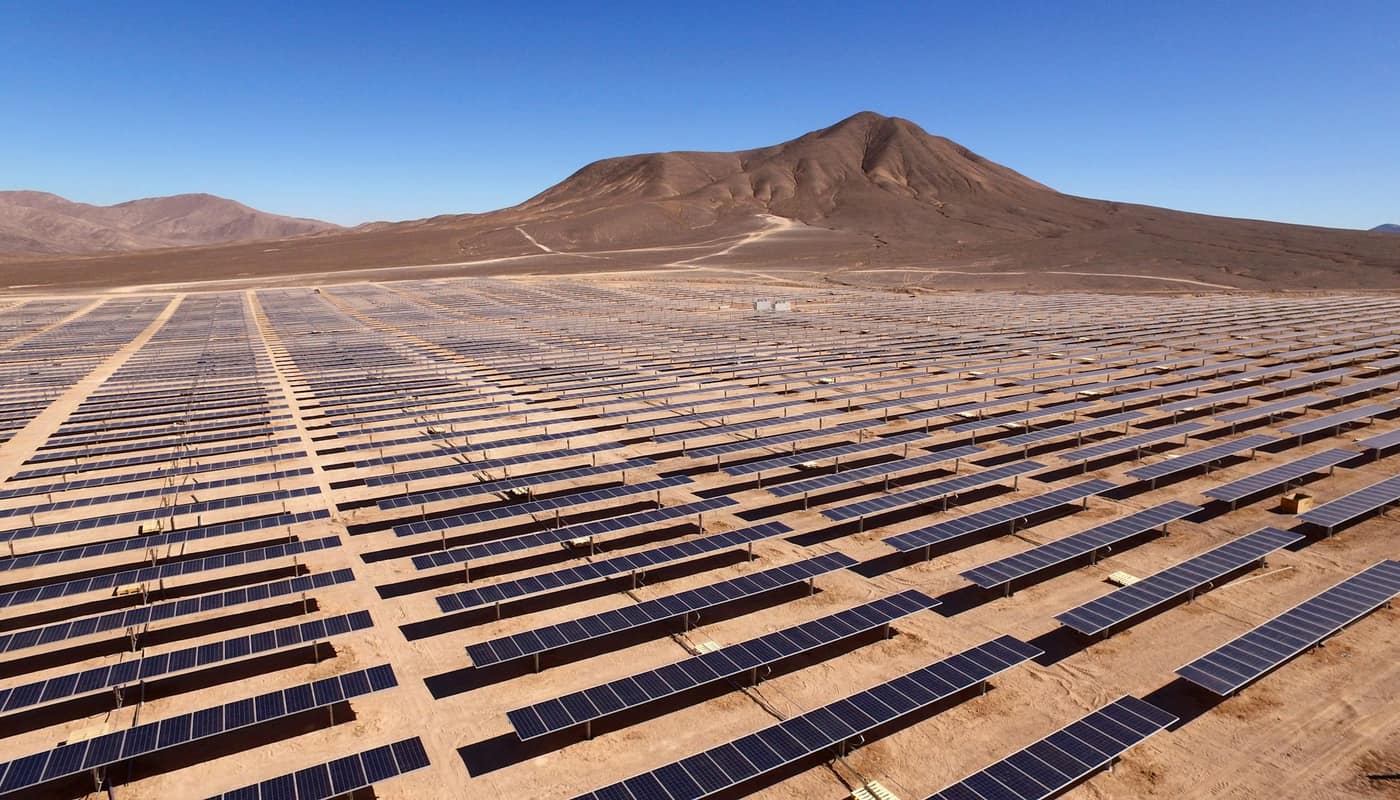
Cooling is a large share of electricity demand in the region, particularly in summer. Solar power produces most when the sun is strong, which coincides with peak cooling demand, and thermal storage can shift consumption to match supply. Large solar plants and storage projects, discussed in how large solar farms work in the Gulf, are therefore related to the cooling story: reducing and shifting demand makes it easier for renewable power to supply a larger share.
What should readers check?
For a tenant or owner in a building served by district cooling, the contract is the first document to read: how capacity is defined, how consumption is metered, what the tariff structure is and how disputes are handled. For a policy reader, the useful questions are what share of cooling demand is served by district systems, how efficiency is measured and who reports it. Government regulators and utilities publish statistics, and independent audits are the most reliable guide to performance.
Sources: Empower; Dubai Media Office; Emirates News Agency